
Your tyres are the only part of your car that touches the road, so the grip they provide matters every time you set off. As the rubber wears down, that grip fades and your stopping distances grow longer. It also affects your handling, your fuel economy and how confident the car feels in the wet. Keeping an eye on your tyre tread depth is one of the simplest ways to stay safe and avoid an unexpected fail at your annual MOT. This guide explains what the tread does, the legal limits in the UK, and how to tell when it is time for new tyres.
Why tyre tread depth matters
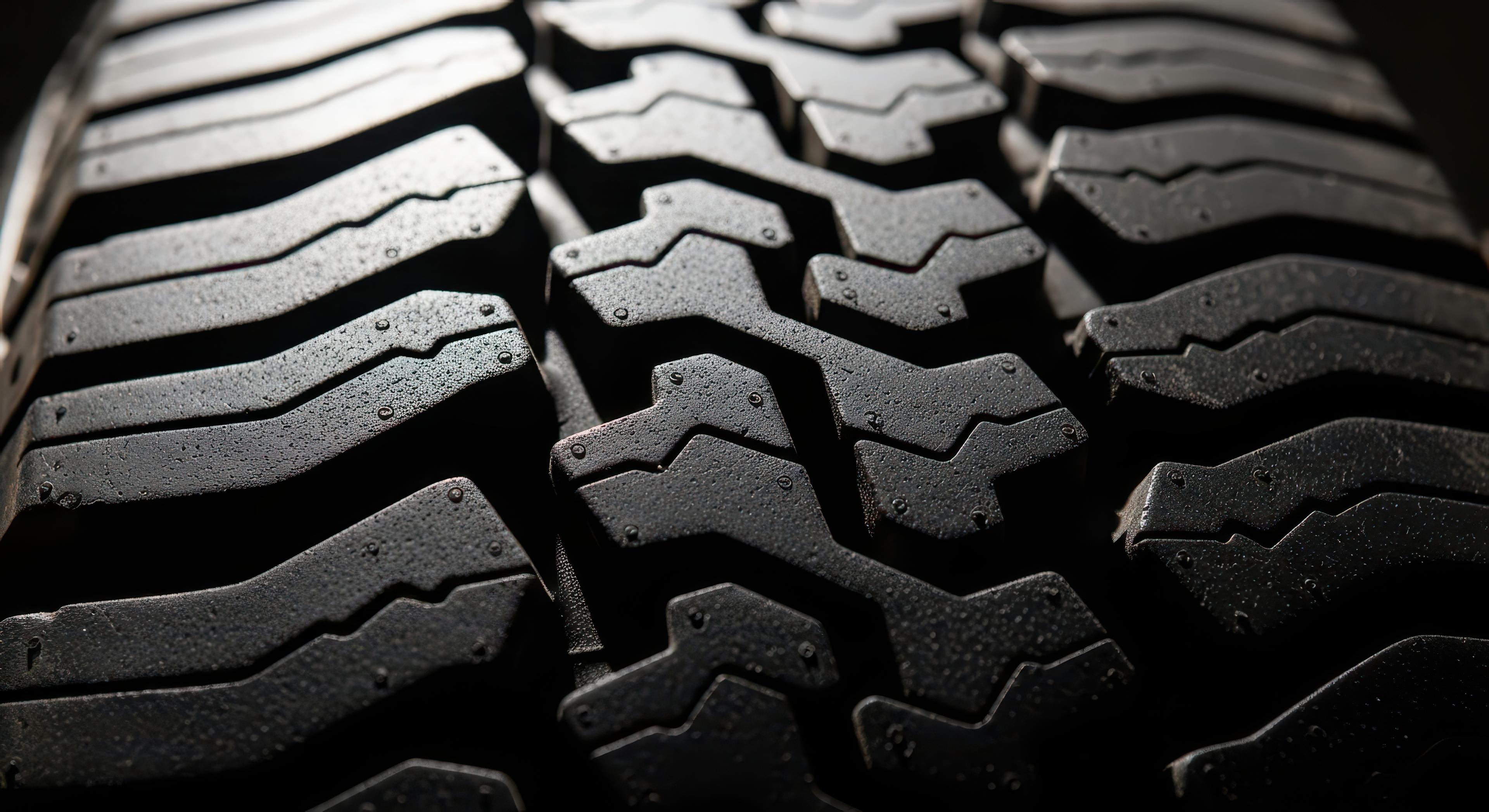
The tread is the patterned rubber on the outer surface of the tyre. Those grooves channel water away from the road, which helps the tyre keep its hold in wet conditions. As the tread wears, the grooves get shallower and clear less water, so the risk of aquaplaning rises. Worn tyres also lengthen braking distances, and that gap grows quickly once tread drops below 3mm. Healthy tyre tread depth keeps your grip, handling and braking performance where they should be. Tyres with plenty of tread clear surface water better, hold the road through corners, and help the car pull up sooner when you brake. Worn rubber can also be noisier and use more fuel, so fresh tyres often pay you back over time.
What is the legal minimum tread depth in the UK?
You may be asking, what is the legal minimum tread depth for car tyres in the UK? The legal minimum tread depth is 1.6mm, measured across the central three-quarters of the tread and around the complete circumference of the tyre. That figure applies to cars and light vans. Driving on tyres below the legal limit is a serious matter. You can be fined up to £2,500 and given three penalty points for each illegal tyre. With four tyres on the car, those totals add up fast, so it pays to act before they reach the limit.
When should you replace your tyres?
The 1.6mm figure is the legal minimum, not the safest point to change. Many tyre and safety experts recommend replacing tyres at around 3mm, because grip and wet-weather braking start to fall off noticeably below that level. How quickly your tyres wear depends on your driving style, the roads you cover and how well the wheels are aligned. Front tyres often wear faster than the rear on many cars, so it is worth checking all four rather than assuming they are even. The table below shows what different readings mean for you.
It is also worth replacing tyres that show uneven wear, cracking or exposed cords, even if the tread looks deep enough in places. Damage and uneven wear can point to problems with alignment, suspension or tyre pressures, so it is sensible to have them looked at by our Tunbridge Wells tyre team.
How tread depth affects your MOT
Tread depth is one of the checks in the annual MOT test. A tyre with less than 1.6mm across the central three-quarters of the tread will fail, and the tester will also flag cuts, bulges or exposed cords. Having your tyres checked before the test can save you a re-test and keep you safer in the meantime.
How to check your tyre tread depth
You may be wondering, how do I check my tyre tread depth at home? There are a few simple methods that take only a minute.
-
The 20p test: place a 20p coin into the main grooves. If the outer band of the coin is hidden, your tread is likely above the legal limit. If you can see the band, your tyres may be close to or below 1.6mm.
-
Tread wear indicators: most tyres have small raised bars set into the main grooves. When the tread wears level with these wear indicators, the tyre is at or near the legal minimum.
-
A tyre tread depth gauge: for an exact reading, a tyre tread depth gauge measures the depth of each groove in millimetres.
Check across the width of the tyre and around the whole tyre, rather than a single spot, because tyres often wear unevenly. It is good practice to check your tread at least once a month, and again before any long journeys. If you are not sure how to read what you find, take a photo of the tyre and bring it in, or simply ask us to measure it for you. You can read more on our tread depth page.
What about winter tyres?
If you fit winter tyres for the colder months, the same rules apply. Winter tyres use deeper tread and a different tread pattern to grip in cold and wet conditions, so checking their depth matters just as much. All-season tyres are a popular middle ground for drivers in Kent who want steady grip across the year without swapping twice. Swapping back to summer tyres in spring is a good moment to inspect both sets while they are off the car.
Frequently Asked Questions
How long do car tyres usually last before they need replacing?
There is no fixed figure. It depends on how far and how you drive, the road conditions and how well the tyres are looked after. Most tyres are replaced because the tread has worn down, but age matters too.
Should I replace tyres in pairs or one at a time?
You can replace a single tyre if the others still have plenty of tread, but it is better to replace them in pairs on the same axle so grip is balanced left to right. When you fit two new tyres to a car, put the newer pair on the rear axle, as this helps keep the back of the car stable in the wet.
Does my spare tyre need a tread check too?
Yes. A full-size spare wears and ages just like the others, so check its tread depth and condition when you check the rest. A space-saver spare is built for short, low-speed use only, so check its pressure and replace the proper tyre as soon as you can.
Can low tread depth affect my car insurance?
It can. Driving on tyres below the 1.6mm legal limit is an offence, and an insurer may question or reduce a claim if illegal tyres contributed to an incident. Keeping your tyres legal and roadworthy protects both your safety and your cover.
Do tyres need replacing because of age, even with plenty of tread?
They can. Rubber hardens and can crack over time, which reduces grip even when the tread still looks deep. You can find the age on the sidewall: look for a four-digit code showing the week and year of manufacture, for example 2522 for the 25th week of 2022.
Is uneven tread wear something to worry about?
Yes, it is worth getting checked. Wear concentrated on one edge, in the centre, or in patches often points to incorrect tyre pressures, wheel alignment or a suspension issue. Sorting the cause early helps your next set of tyres last longer.
Tyre tread checks in Tunbridge Wells
If you would rather have an expert take a look, our team can carry out a tyre tread depth check and talk you through your options with no pressure. As a local garage offering tyres in Tunbridge Wells, we can inspect your tread, advise on whether a repair or replacement is the safer choice, and fit new tyres while you wait. There is no charge for a tyre tread check, and we only recommend new tyres when they are genuinely needed. Book a free tyre check with our Tunbridge Wells team whenever something does not feel right on the road.
Do not wait for worn tyres to catch you out. Visit Freeway Fast Fit to learn more, read our guide on whether your car tyres need replacing, or get in touch to book your tyre tread depth check today.
Written on 16th June 2026